


Introduction
Healthy teeth are essential for comfortable eating, clear speech, and a confident smile. However, tooth decay, cavities, cracks, and damage caused by injuries can affect the structure of teeth. Dental filling and capping are two common dental procedures used to restore damaged teeth and help maintain oral health. Although both treatments aim to protect teeth, they are recommended for different levels of damage.
Understanding these procedures can help you discuss suitable treatment options with a dental professional. If you are experiencing tooth sensitivity, pain, or visible damage, an Oral Surgeon in Pune can help assess your condition and guide you towards appropriate care.
What Is Dental Filling?
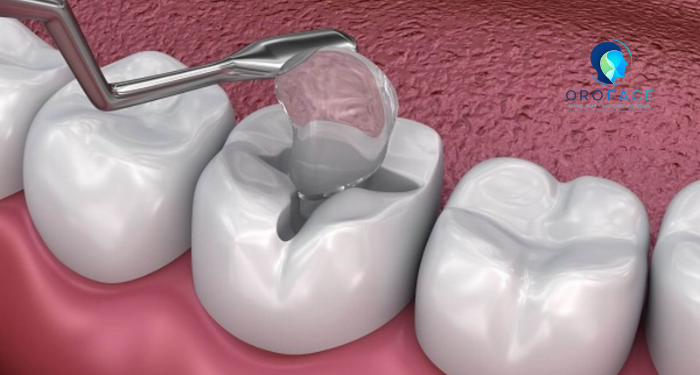
Dental filling is a restorative procedure used to repair a tooth affected by cavities or minor damage. When bacteria produce acids that gradually damage the tooth enamel, a cavity may develop. If left untreated, the decay can progress deeper into the tooth.
During a filling procedure, the dentist removes the decayed portion of the tooth and fills the cleaned area with a suitable restorative material. Common materials include tooth-coloured composite resin, glass ionomer, and other materials selected according to the tooth’s condition.
Benefits of Dental Filling
- Helps restore the shape and function of the affected tooth.
- Prevents an existing cavity from progressing when appropriately treated.
- Helps preserve more of the natural tooth structure.
- Can reduce sensitivity caused by certain cavities.
- Tooth-coloured materials can provide a natural-looking appearance.
Dental fillings are generally suitable for small to moderate cavities when enough healthy tooth structure remains.
What Is Dental Capping?
Dental capping, commonly known as a dental crown procedure, involves placing a protective covering over a damaged or weakened tooth. A crown covers the visible portion of the tooth above the gum line and helps restore its shape, strength, and function.
Capping may be recommended when a tooth has extensive decay, a large filling, significant structural damage, or has undergone root canal treatment. The exact recommendation depends on the tooth’s condition, its location, and the amount of healthy structure remaining.
Dental crowns may be made from ceramic, porcelain, metal, or combinations of materials. The dentist recommends an appropriate option based on functional and aesthetic requirements.
Benefits of Dental Capping
- Provides support to a weakened tooth.
- Helps protect against further damage.
- Restores the tooth’s shape and chewing function.
- Can improve the appearance of a damaged or discoloured tooth.
- May help preserve a tooth that would otherwise be difficult to restore with a filling alone.
Dental Filling vs Dental Capping: What Is the Difference?
The main difference lies in the extent of tooth damage and the type of restoration required.
A filling repairs a specific damaged area of the tooth, whereas a crown covers the tooth to provide more extensive protection. A filling may be appropriate for a relatively small cavity, while capping may be considered when a large portion of the tooth is weakened.
Neither procedure is automatically better than the other. The right choice depends on a clinical examination, the extent of decay, and sometimes dental X-rays.
When Should You Consult a Dental Professional?
Consider arranging a dental appointment if you experience:
- Toothache or persistent sensitivity.
- Pain while chewing.
- Visible holes or dark spots on a tooth.
- A cracked, chipped, or broken tooth.
- Discomfort in a tooth that has undergone root canal treatment.
Early assessment can help identify the problem and prevent avoidable complications. Avoid delaying treatment simply because the pain is mild or intermittent.
Why Is Professional Dental Assessment Important?
Choosing between a filling and a crown requires an evaluation of the tooth’s structure, the depth of decay, and the health of the surrounding tissues. In cases involving complex dental injuries, jaw-related conditions, or surgical treatment needs, a Maxillofacial Surgeon in Pune may also be involved in care.
Good oral hygiene, brushing twice daily with fluoride toothpaste, cleaning between the teeth, limiting frequent sugary snacks, and attending regular dental check-ups can help reduce the risk of cavities.
Conclusion
Dental filling and capping are useful restorative options for treating different types of tooth damage. Fillings repair cavities while preserving natural tooth structure, whereas crowns provide coverage and support to teeth that are significantly weakened. Early diagnosis and appropriate treatment can help maintain oral function and long-term dental health.
If you have tooth pain, decay, or a damaged tooth, consult a qualified dental professional to understand which treatment is suitable for your needs. An Oral Surgeon in Pune or a Maxillofacial Surgeon in Pune, depending on the complexity of your condition, can help guide you towards appropriate treatment.