
icon
icon
Book Book Now

Author name: drsatyjeet

Restore your smile with Full Mouth Rehabilitation by the Best Maxillofacial Surgeon in Pune. Advanced implant, restorative, and aesthetic dental solutions for complete oral rehabilitation.
Maxillofacial surgeon

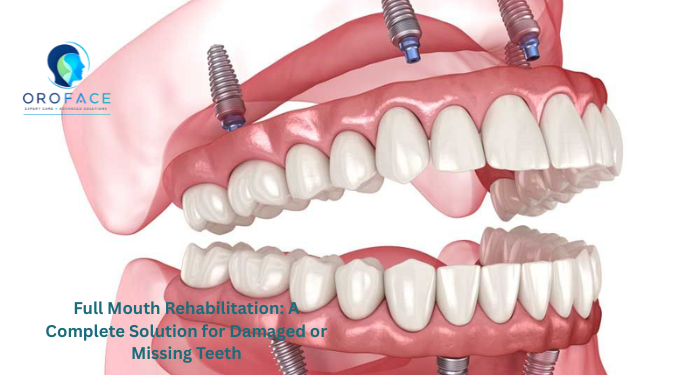
Full Mouth Rehabilitation: A Complete Solution for Damaged or Missing Teeth

A healthy smile is more than just an attractive appearance—it is essential for eating, speaking, maintaining oral health, and boosting self-confidence. When multiple teeth are damaged, worn down, missing, or failing, simple dental treatments may not be enough. In such situations, Full Mouth Rehabilitation offers a comprehensive solution to restore both function and aesthetics. Full Mouth Rehabilitation combines advanced restorative dentistry, dental implants, oral surgery, bite correction, and cosmetic dental procedures to rebuild your smile while improving overall oral health. If you are looking for the Best Maxillofacial Surgeon in Pune or an experienced Oral Surgeon in Pune, comprehensive full mouth rehabilitation can help restore your oral function, facial harmony, and quality of life. What Is Full Mouth Rehabilitation? Full Mouth Rehabilitation, also called Full Mouth Reconstruction, is a personalized treatment plan designed to restore all or most of the teeth in the upper and lower jaws. Unlike a single dental procedure, this treatment combines multiple dental specialties to address complex oral health problems. Every rehabilitation plan is customized according to the patient’s dental condition, jaw structure, bite alignment, and aesthetic goals. The objective is to restore: Who Needs Full Mouth Rehabilitation? This treatment is recommended for patients who have multiple dental problems affecting daily life. You may benefit from Full Mouth Rehabilitation if you have: A detailed evaluation by the Best Maxillofacial Surgeon in Pune helps determine whether full mouth rehabilitation is the right treatment option. Conditions Treated with Full Mouth Rehabilitation Full Mouth Rehabilitation can address several complex dental conditions, including: Multiple Missing Teeth Loss of several teeth can affect chewing efficiency, speech, and facial appearance. Dental implants, bridges, or implant-supported restorations help replace missing teeth effectively. Worn Teeth Years of grinding, clenching, or acid erosion can wear down teeth significantly. Rehabilitation restores the natural shape and function of the teeth. Broken or Damaged Teeth Severely damaged teeth may require crowns, implants, or other restorative procedures as part of a complete treatment plan. Bite Misalignment Improper bite can lead to uneven tooth wear, jaw discomfort, and difficulty chewing. Bite correction helps improve function and comfort. Failed Dental Work Old crowns, bridges, dentures, or fillings that no longer function properly can be replaced with modern restorative solutions. Components of Full Mouth Rehabilitation Every patient requires a customized treatment plan. Depending on individual needs, treatment may include: Comprehensive Oral Examination The first step involves a detailed assessment of the teeth, gums, jaw joints, and bite. Digital imaging and advanced diagnostic tools help create an accurate treatment plan. Digital Smile Planning Modern digital technology allows precise planning of tooth position, facial balance, and smile aesthetics before treatment begins. Dental Implants Dental implants replace missing tooth roots and provide a strong foundation for crowns, bridges, or full-arch restorations. Bone Grafting Some patients may require bone augmentation to create adequate support for dental implants. Oral and Maxillofacial Surgery Complex extractions, jaw corrections, and implant-related surgical procedures may be performed by an experienced Oral Surgeon in Pune as part of rehabilitation. Crowns and Bridges High-quality ceramic crowns and bridges restore damaged teeth while improving both strength and appearance. Full Mouth Implant Rehabilitation Patients with complete tooth loss may benefit from implant-supported full-arch restorations, providing improved stability and comfort compared to traditional removable dentures. Gum Care Healthy gums are essential for long-term treatment success. Periodontal care may be included before restorative procedures. Benefits of Full Mouth Rehabilitation Comprehensive rehabilitation offers several long-term advantages. These include: The Treatment Process Although every treatment plan is unique, the rehabilitation process generally includes: Initial Consultation A thorough examination, digital scans, photographs, and X-rays are performed to evaluate oral health. Personalized Treatment Planning Every procedure is carefully planned based on the patient’s needs and treatment goals. Surgical Phase If necessary, procedures such as extractions, dental implant placement, or bone grafting are completed. Restorative Phase Crowns, bridges, implant-supported restorations, or veneers are placed to rebuild the smile. Final Adjustments The bite, appearance, and overall function are carefully checked before completing treatment. Recovery After Full Mouth Rehabilitation Recovery depends on the procedures performed. Patients are usually advised to: Proper maintenance helps ensure long-term success. Why Choose an Experienced Oral and Maxillofacial Surgeon? Complex dental rehabilitation requires careful planning and multidisciplinary expertise. Choosing the Best Maxillofacial Surgeon in Pune ensures: An experienced Oral Surgeon in Pune can manage both the surgical and restorative aspects of complex dental rehabilitation, ensuring optimal results. Maintaining Results After Treatment Long-term success depends on proper oral care. Patients should: Consistent oral hygiene helps protect the rehabilitation for many years. Conclusion Full Mouth Rehabilitation is a life-changing treatment for individuals with multiple damaged, missing, or worn teeth. By combining advanced diagnostics, implant dentistry, restorative procedures, and oral surgery, it restores oral health, facial aesthetics, and confidence. If you are searching for the Best Maxillofacial Surgeon in Pune or an experienced Oral Surgeon in Pune, comprehensive Full Mouth Rehabilitation offers a personalized solution to rebuild your smile and improve your quality of life. Frequently Asked Questions 1. What is Full Mouth Rehabilitation? Full Mouth Rehabilitation is a customized treatment that restores multiple damaged, missing, or worn teeth using a combination of restorative and surgical dental procedures. 2. Who is a suitable candidate for Full Mouth Rehabilitation? Patients with multiple missing teeth, severe tooth wear, broken teeth, bite problems, or failing dental restorations may benefit from this treatment. 3. Does Full Mouth Rehabilitation include dental implants? Yes. Dental implants are commonly used to replace missing teeth and provide stable support for crowns or full-arch restorations when appropriate. 4. How long does Full Mouth Rehabilitation take? Treatment duration depends on the complexity of the case and the procedures required. Your surgeon will provide a personalized treatment timeline. 5. Why should I consult an Oral Surgeon for Full Mouth Rehabilitation? An experienced Oral Surgeon in Pune can perform complex surgical procedures such as implant placement, bone grafting, and jaw-related treatments while coordinating comprehensive rehabilitation for long-term success.

Learn about the early signs of oral cancer, risk factors, diagnosis, treatment, and prevention. Consult an experienced Oral Surgeon in Pimpri Chinchwad or Oral Surgeon in Pune for timely evaluation and expert care
Uncategorized

Early Signs of Oral Cancer: Why Early Detection Can Save Lives

Oral cancer is a serious condition that can affect the lips, tongue, cheeks, gums, floor of the mouth, hard and soft palate, and throat. The good news is that when detected early, oral cancer is often highly treatable. Unfortunately, many people ignore the initial symptoms because they are painless or resemble common mouth problems. Knowing the warning signs and seeking timely medical attention can make a significant difference in treatment outcomes. If you notice any unusual changes in your mouth that persist for more than two weeks, consult an experienced Oral Surgeon in Pimpri Chinchwad or Oral Surgeon in Pune for a thorough examination. What Is Oral Cancer? Oral cancer is a type of cancer that develops in the tissues of the mouth or throat. It usually begins in the flat cells lining the inside of the mouth and may gradually spread if left untreated. Common areas affected include: Regular dental and oral examinations help detect suspicious changes at an early stage. Why Early Detection Is Important Many cases of oral cancer begin with small changes that are easy to overlook. Detecting these changes early allows treatment to begin before the disease spreads. Benefits of early diagnosis include: Routine screenings by an oral and maxillofacial surgeon in Pune can help identify early warning signs. Early Signs of Oral Cancer 1. Mouth Ulcers That Do Not Heal A sore or ulcer that lasts for more than two weeks is one of the most common warning signs. These ulcers may: 2. White or Red Patches Persistent white patches (leukoplakia), red patches (erythroplakia), or mixed red-and-white patches inside the mouth should never be ignored. These changes may require further evaluation. 3. A Lump or Thickened Area A lump inside the mouth, on the tongue, or in the neck may indicate abnormal tissue growth. Any unexplained swelling should be examined by an Oral Surgeon in Pimpri Chinchwad. 4. Persistent Mouth Pain Ongoing pain or discomfort that does not improve with routine treatment may require further investigation. 5. Difficulty Swallowing Pain or difficulty while swallowing can occur if oral cancer affects the throat or nearby structures. 6. Difficulty Moving the Tongue or Jaw You may notice: 7. Loose Teeth Without an Obvious Cause Teeth becoming loose despite healthy gums may indicate changes in the underlying bone or surrounding tissues. 8. Persistent Sore Throat A sore throat lasting several weeks without infection should be evaluated. 9. Hoarseness of Voice Persistent changes in the voice or difficulty speaking may occur if cancer affects nearby tissues. 10. Numbness in the Mouth Loss of sensation in the lips, tongue, or other areas of the mouth can be an early warning sign. 11. Unexplained Bleeding Bleeding from the mouth without injury or gum disease should never be ignored. 12. Ear Pain Pain in one ear without an ear infection can sometimes be associated with oral or throat cancer. Risk Factors for Oral Cancer Several factors increase the likelihood of developing oral cancer. These include: Reducing these risk factors can significantly improve oral health. Who Should Get Screened? Regular oral examinations are especially important for: An experienced oral cancer specialist in Pune can perform a comprehensive screening. How Is Oral Cancer Diagnosed? Diagnosis begins with a detailed examination. Investigations may include: Clinical Examination The doctor carefully examines the: Biopsy A small tissue sample is removed for laboratory analysis to confirm the diagnosis. Imaging Tests Depending on the findings, your doctor may recommend: These tests help determine the extent of the condition. Treatment Options Treatment depends on: Common treatment options include: Surgery Surgery removes the abnormal tissue while preserving as much normal function as possible. An experienced Oral Surgeon in Pune performs procedures using advanced surgical techniques. Radiation Therap High-energy rays destroy cancer cells and may be used alone or after surgery. Chemotherapy Certain medications help destroy cancer cells or slow their growth. Targeted Therapy Specific medications target proteins involved in cancer growth. Rehabilitation Following treatment, rehabilitation may help improve: Can Oral Cancer Be Prevented? Although not all cases are preventable, these habits reduce the risk: When Should You See an Oral Surgeon? Consult an Oral Surgeon in Pimpri Chinchwad or Oral Surgeon in Pune if you notice: Early evaluation allows timely diagnosis and appropriate treatment. Why Timely Treatment Matters Ignoring early symptoms may allow the condition to progress, making treatment more complex. Early diagnosis offers: Conclusion Oral cancer often begins with subtle changes that many people overlook. Persistent mouth ulcers, unusual patches, swelling, difficulty swallowing, loose teeth, or unexplained pain should never be ignored. Recognizing these warning signs early and seeking professional evaluation can make a significant difference in treatment success. If you experience any suspicious symptoms, consult an experienced Oral Surgeon in Pimpri Chinchwad or Oral Surgeon in Pune without delay. A qualified oral and maxillofacial surgeon in Pune, oral cancer specialist in Pune, or maxillofacial surgeon in Pimpri Chinchwad can perform a thorough evaluation, recommend appropriate investigations, and provide personalized treatment to protect your oral and overall health. Frequently Asked Questions 1. What is the first sign of oral cancer? A mouth ulcer or sore that does not heal within two weeks is one of the most common early signs. Other warning signs include white or red patches, lumps, and persistent mouth pain. 2. Does every mouth ulcer mean oral cancer? No. Most mouth ulcers are caused by minor injuries or infections. However, any ulcer that persists for more than two weeks should be examined by an oral surgeon or dentist. 3. Who is at higher risk of developing oral cancer? People who use tobacco, consume alcohol frequently, have HPV infection, poor oral hygiene, or a family history of cancer are at higher risk. 4. Can oral cancer be cured? When diagnosed early, oral cancer can often be treated successfully with surgery, radiation therapy, chemotherapy, or a combination of treatments. 5. When should I consult an oral surgeon? You should see an Oral Surgeon in Pimpri Chinchwad or Oral Surgeon in Pune if you notice persistent mouth ulcers,

Why Jaw Pain Should Never Be Ignored | Oral Care Guide
Uncategorized

Why Jaw Pain Should Never Be Ignored

Jaw pain is often dismissed as a temporary discomfort, but it can be a sign of serious underlying oral health problems. Many people in Pimpri Chinchwad tend to ignore early symptoms, assuming the pain will go away on its own. However, persistent jaw pain should always be evaluated by a specialist to prevent complications. One of the most common reasons for jaw pain is impacted wisdom teeth. When there is not enough space for these teeth to grow properly, they can become trapped under the gums, causing pressure, swelling, and pain. In such cases, an oral surgeon in Pimpri Chinchwad is often required to safely remove the impacted tooth and relieve discomfort. Another major cause is temporomandibular joint (TMJ) disorders. This joint connects the jawbone to the skull, and when it becomes strained due to stress, teeth grinding, or misalignment, it can lead to clicking sounds, stiffness, and severe jaw pain. Without treatment, TMJ issues can worsen over time and affect daily activities like eating and speaking. Infections in the teeth or gums can also spread to the jaw, causing continuous pain and swelling. Dental abscesses, if left untreated, can become severe and may require surgical intervention. This is why early diagnosis is crucial. If you experience symptoms such as difficulty opening your mouth, swelling near the jaw, ear pain, headaches, or persistent discomfort while chewing, it is important to consult an oral surgeon in Pimpri Chinchwad. These specialists are trained to diagnose complex dental and jaw conditions and provide the right treatment plan. Treatment options may include wisdom tooth extraction, infection control, bite correction, or TMJ therapy depending on the cause. Modern oral surgery techniques are safe, precise, and ensure faster recovery with minimal discomfort. Ignoring jaw pain can lead to worsening conditions and long-term oral health issues. Timely treatment not only relieves pain but also prevents complications and restores normal jaw function. FAQs 1. What are the common causes of jaw pain?Jaw pain can be caused by impacted wisdom teeth, TMJ disorders, gum infections, teeth grinding, or dental abscesses. 2. When should I visit an oral surgeon in Pimpri Chinchwad for jaw pain?You should consult an oral surgeon if the pain lasts more than a few days, worsens over time, or is accompanied by swelling, difficulty chewing, or jaw stiffness. 3. Is jaw pain always related to teeth problems?No, jaw pain can also be caused by joint disorders like TMJ, muscle strain, or infections, not just dental issues. 4. How is jaw pain treated?Treatment depends on the cause and may include tooth extraction, infection management, TMJ therapy, or medications. 5. Can jaw pain go away on its own?Mild cases may improve temporarily, but persistent jaw pain should always be checked by a specialist to avoid complications.

Scroll to Top