


Experiencing pain at the back of your mouth? Is your wisdom tooth causing discomfort while eating, chewing, or opening your mouth? Wisdom tooth pain is a common dental concern, especially among young adults. However, one important question many people have is whether they should wait for the pain to disappear or consider removing the tooth.
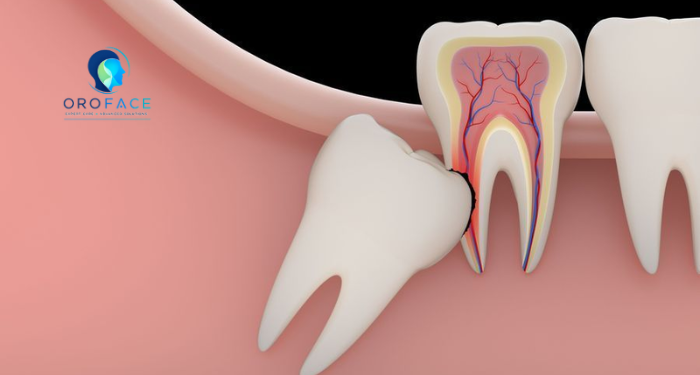
Wisdom teeth are the last set of molars, usually appearing between the ages of 17 and 25. Sometimes they grow normally, but in other cases, they may become impacted due to a lack of space. Consulting an experienced Wisdom Tooth Specialist in Pune can help you understand the condition and choose the right treatment.
Why Does Wisdom Tooth Pain Occur?
Wisdom tooth pain can develop for several reasons:
- Impacted Wisdom Tooth: The tooth remains trapped beneath the gums or grows at an incorrect angle.
- Gum Infection: Partially erupted wisdom teeth can trap food particles and bacteria, causing inflammation around the gums.
- Lack of Space: When there is insufficient space in the jaw, wisdom teeth may press against nearby teeth.
- Tooth Decay: Wisdom teeth are difficult to clean because of their position, increasing the risk of cavities.
- Swelling Around the Tooth: Infection or inflammation around a partially erupted tooth can cause pain and discomfort.
Wisdom Tooth Pain: Should You Wait or Remove It?
The decision depends on the position of the tooth, the symptoms, and whether it is affecting nearby teeth.
When Can You Wait?
Not every wisdom tooth needs to be removed. If your wisdom tooth:
- Has grown completely and in the correct position.
- Does not cause pain or swelling.
- Can be cleaned properly.
- Does not have cavities or gum infection.
- Is not damaging neighbouring teeth.
Your dentist may recommend regular monitoring instead of extraction. Even painless impacted teeth may require periodic examination and X-rays.
When Should You Consider Wisdom Tooth Removal?
Removal may be recommended when you experience:
- Repeated pain around the wisdom tooth.
- Swollen or infected gums.
- Difficulty chewing or opening your mouth.
- Repeated food trapping around the tooth.
- Tooth decay that cannot be restored.
- Damage to the neighbouring molar.
- Cysts or other abnormalities around an impacted tooth.
Ignoring repeated symptoms can allow dental problems to become more complicated. A dental examination and X-ray help determine whether extraction is necessary.
What Is Complex Wisdom Tooth Extraction?
Sometimes wisdom teeth do not come out easily because they are trapped inside the jawbone or growing sideways. Such cases may require a surgical procedure called complex wisdom tooth extraction.
During the procedure:
- Local anaesthesia is given to numb the area.
- A small opening may be made in the gum.
- Some surrounding bone may need to be removed.
- The tooth may be divided into smaller sections for safe removal.
- Stitches may be placed to support healing.
The procedure is planned according to the tooth’s position and its relationship with nearby nerves and structures.
Learn more about Complex Tooth Extraction and Minor Oral Surgeries.
How to Manage Wisdom Tooth Pain?
While waiting for your dental appointment, you can follow some simple measures:
- Maintain proper oral hygiene.
- Gently clean the area around the wisdom tooth.
- Choose soft foods if chewing is uncomfortable.
- Avoid very hard or sticky foods.
- Follow your dentist’s advice regarding pain medication.
- Do not try to remove or press the tooth yourself.
If you experience facial swelling, fever, pus, or worsening pain, seek prompt dental attention. Difficulty swallowing or breathing requires emergency medical care.
When Should You Consult a Wisdom Tooth Specialist?
If wisdom tooth pain keeps returning, do not depend only on temporary pain relief. A specialist can examine the tooth, assess its position through dental imaging, and recommend monitoring, treatment, or removal depending on your condition.
Consult Dr. Satyajit Wadje, Wisdom Tooth Specialist in Pune, for professional evaluation and guidance regarding complex tooth extraction and other minor oral surgeries.
Frequently Asked Questions
1. Does every wisdom tooth need to be removed?
No. Healthy wisdom teeth that grow properly, function normally, and can be cleaned may not require removal. Regular dental monitoring is important.
2. How do I know if my wisdom tooth is impacted?
Pain, gum swelling, difficulty opening your mouth, and partially visible teeth may indicate an impacted wisdom tooth. An X-ray helps confirm its position.
3. Can wisdom tooth pain go away on its own?
Mild discomfort may settle temporarily, but recurring pain can indicate an underlying problem that needs dental evaluation.
4. Is wisdom tooth removal painful?
The procedure is generally performed under local anaesthesia, which numbs the area. Some swelling and discomfort may occur during recovery.
5. How long does it take to recover after wisdom tooth removal?
Initial recovery usually takes a few days, while complete healing may take around one to two weeks, depending on the complexity of the extraction.
6. What happens if I ignore impacted wisdom tooth pain?
Ignoring repeated symptoms may lead to infection, tooth decay, gum problems, or damage to neighbouring teeth.
Conclusion
Wisdom tooth pain should not be ignored, but removing every wisdom tooth is not necessary. The right decision depends on its position, symptoms, and overall dental health. Timely examination can help prevent complications and identify the appropriate treatment. Consult a Wisdom Tooth Specialist in Pune to understand whether you should wait, monitor, or undergo wisdom tooth removal.