


A missing tooth can affect more than just the appearance of your smile. It may make chewing difficult, affect speech, and over time can contribute to changes in the way surrounding teeth and jawbone function. Dental implantology is a modern approach to replacing missing teeth using dental implants that are designed to provide a stable foundation for replacement teeth.
If you have one or more missing teeth and are considering dental implants, consulting a qualified Dental Implant Specialist in Pune can help you understand whether implants are suitable for your oral health and what treatment options may be appropriate.
What Is Dental Implantology?
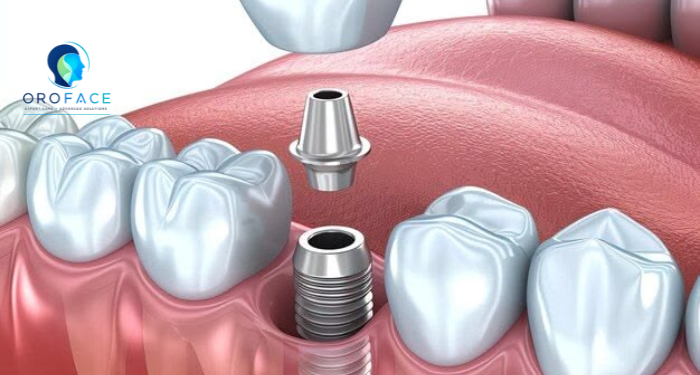
Dental implantology is the branch of dentistry concerned with the planning and placement of dental implants. A dental implant is a small post, commonly made from titanium or another suitable material, that is surgically placed into the jawbone.
After the implant integrates with the surrounding bone, it can support a dental crown, bridge or denture, depending on the patient’s requirements.
Unlike removable dentures, implants are anchored within the jawbone. This can provide stability while eating and speaking and can help restore the function of a missing tooth.
Why Do People Need Dental Implants?
Tooth loss can occur for several reasons, including:
- Severe tooth decay
- Advanced gum disease
- Dental trauma or injury
- Failed or severely damaged teeth
- Congenitally missing teeth
- Certain medical or dental conditions
When a tooth is missing, neighbouring teeth may gradually shift into the empty space. Tooth loss can also contribute to bone loss in the area because the jawbone no longer receives stimulation from the tooth root.
Dental implants can help replace the missing tooth root as well as support a replacement tooth.
Types of Dental Implant Restorations
Depending on the number of missing teeth, different implant-supported solutions may be considered.
Single Dental Implant
A single implant can replace one missing tooth. An implant-supported crown is placed over the implant after the appropriate healing and integration period.
Implant-Supported Bridge
When several adjacent teeth are missing, implants may be used to support a bridge. This can provide a fixed replacement without necessarily placing an implant for every missing tooth.
Implant-Supported Dentures
For patients who have lost multiple or all teeth, implants may be used to improve the stability of dentures. The exact number and placement of implants depend on individual dental and bone conditions.
A Dental Implant Specialist in Pune can evaluate the teeth, gums and jawbone before recommending an appropriate option.
Benefits of Dental Implants
Dental implants offer several potential benefits when they are suitable for the patient.
Improved Chewing
A stable implant-supported restoration can make eating more comfortable compared with an unstable removable denture.
Natural-Looking Appearance
The visible crown can be designed to resemble the surrounding natural teeth in shape and colour.
Improved Stability
Because the implant is anchored in the jawbone, it does not move in the same way as a loose removable denture.
Support for Jawbone
The presence of an implant can provide functional stimulation to the surrounding bone and may help reduce the bone loss associated with an untreated missing tooth.
Long-Term Solution
With appropriate planning, good oral hygiene and regular dental care, dental implants can be a long-lasting tooth replacement option. However, their longevity varies depending on factors such as oral hygiene, gum health, smoking and general health.
Who Can Get Dental Implants?
Many adults with missing teeth may be candidates for dental implants. However, suitability depends on several factors.
A dentist may assess:
- Jawbone quantity and quality
- Gum health
- Oral hygiene
- Number and location of missing teeth
- Existing dental conditions
- Medical history
- Smoking or tobacco use
- Healing capacity
If there is insufficient bone in the planned implant area, additional procedures may sometimes be considered before or during implant treatment.
Dental Implant Procedure
The implant process generally involves several stages.
1. Dental Evaluation
The first step is a detailed dental examination. Your dentist may use dental X-rays or three-dimensional imaging to evaluate the jawbone, nerves and surrounding structures.
2. Treatment Planning
A personalized treatment plan is developed based on the number of missing teeth, available bone and desired restoration.
3. Implant Placement
During implant surgery, the implant is placed into the jawbone. The procedure is performed using appropriate local anesthesia or other sedation options when indicated.
4. Healing and Osseointegration
After placement, the implant needs time to integrate with the surrounding bone. This process is called osseointegration.
The healing period varies between individuals and depends on the location of the implant and other factors.
5. Abutment and Crown Placement
Once the implant has adequately integrated and the tissues are ready, an abutment and dental crown or other restoration may be placed.
The final restoration is designed to provide appropriate function and appearance.
Is Dental Implant Surgery Painful?
Dental implant placement is performed under anesthesia, so significant pain during the procedure is generally not expected. Some swelling, discomfort or sensitivity may occur after surgery.
Your dental professional can provide specific aftercare instructions and recommend appropriate medication when necessary.
Following the prescribed instructions can support a smooth recovery.
Aftercare Following Dental Implant Placement
Good oral hygiene is important throughout implant treatment. Your dentist may recommend:
- Keeping the surgical area clean as advised
- Following the recommended diet during the early healing period
- Avoiding smoking and tobacco
- Taking prescribed medication as directed
- Attending scheduled follow-up appointments
- Maintaining regular brushing and flossing once advised
Do not put unnecessary pressure on the implant area during the early healing stage.
How Long Do Dental Implants Last?
Dental implants are designed to be a long-term tooth replacement option, but their success and longevity depend on several factors.
Good oral hygiene, regular dental check-ups, healthy gums and avoiding tobacco can support implant health. The crown or other restoration attached to the implant may require maintenance or replacement over time due to normal wear.
Why Choose a Dental Implant Specialist in Pune?
Dental implant treatment involves more than simply placing an implant. Proper diagnosis, treatment planning, surgical technique, restoration and long-term maintenance all play important roles.
A Dental Implant Specialist in Pune can evaluate your individual dental condition, explain the available options and develop a treatment plan based on your oral health and tooth replacement needs.
Conclusion
Dental implantology provides a modern approach to replacing missing teeth and restoring oral function. Depending on the patient’s needs, implants can support individual crowns, bridges or dentures.
The success of treatment depends on proper planning, adequate bone and gum health, good oral hygiene and regular follow-up care. If you have missing teeth and are considering implants, consult a qualified Dental Implant Specialist in Pune for a detailed examination and personalized treatment plan.
A professional evaluation can help you understand whether dental implants are suitable for you and what steps may be involved in restoring your smile and chewing function.